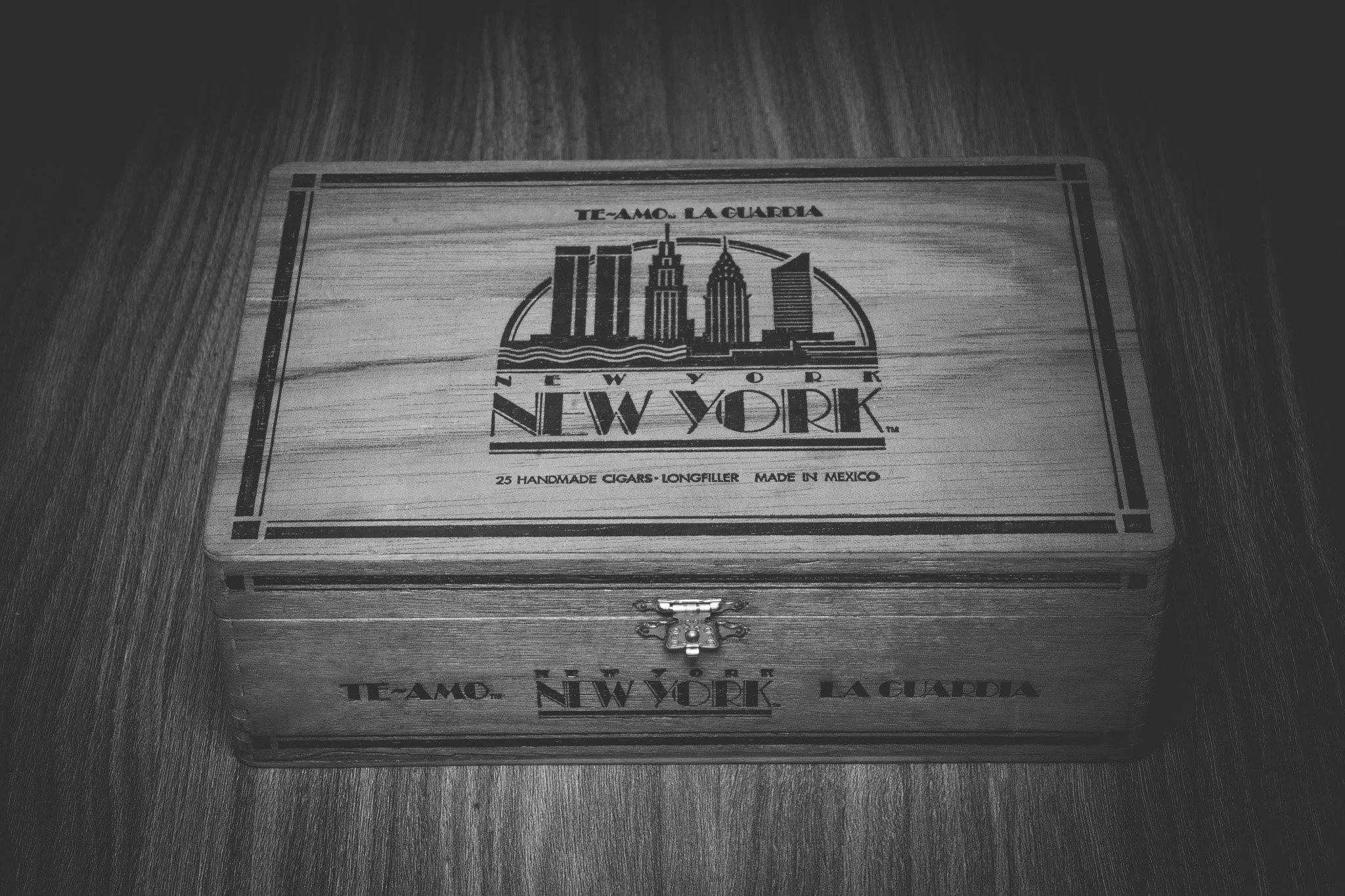
Our Heritage
There are cigars that are made. And there are cigars that become part of a city.
Te-Amo is the latter.
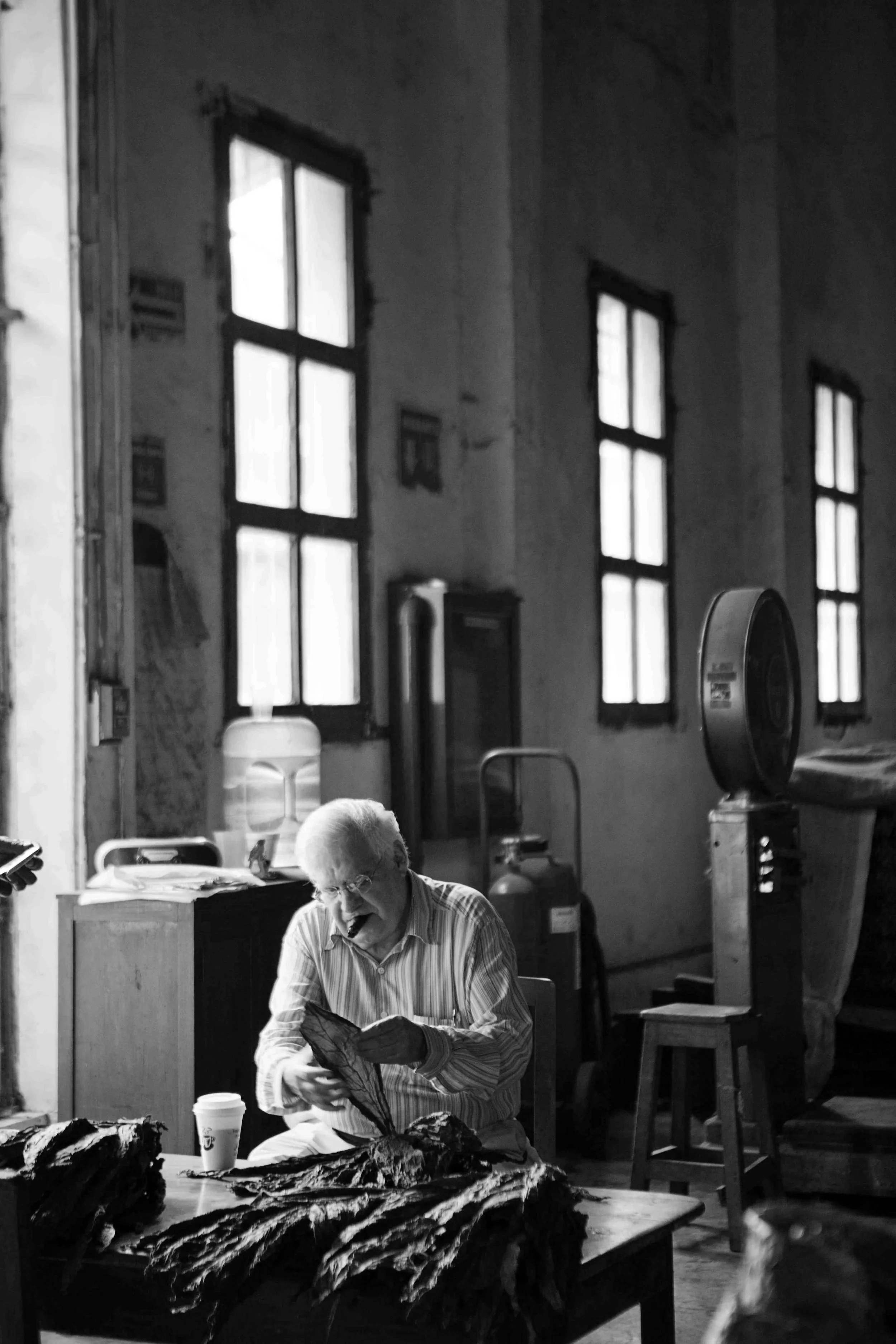
Born from the earth
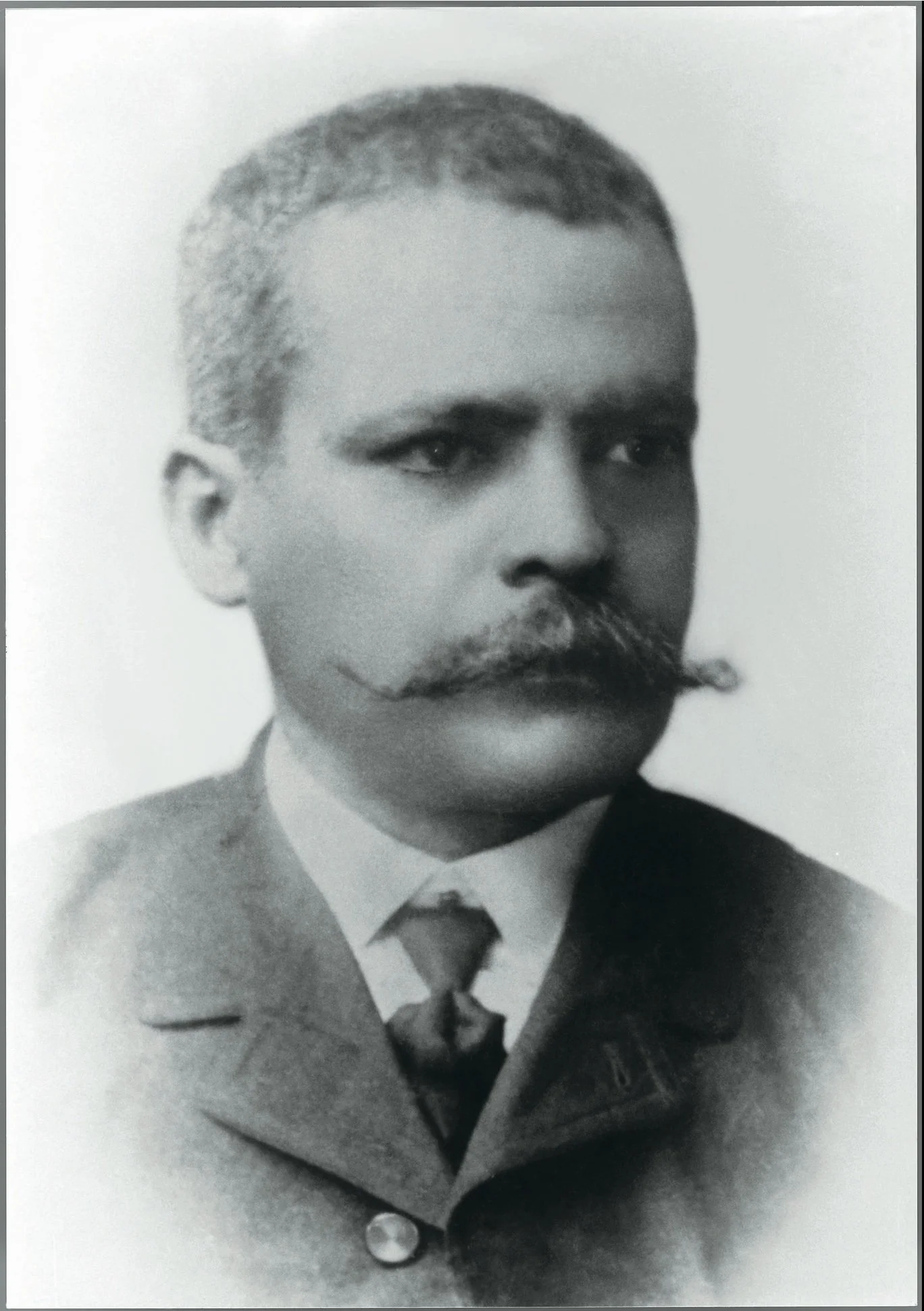
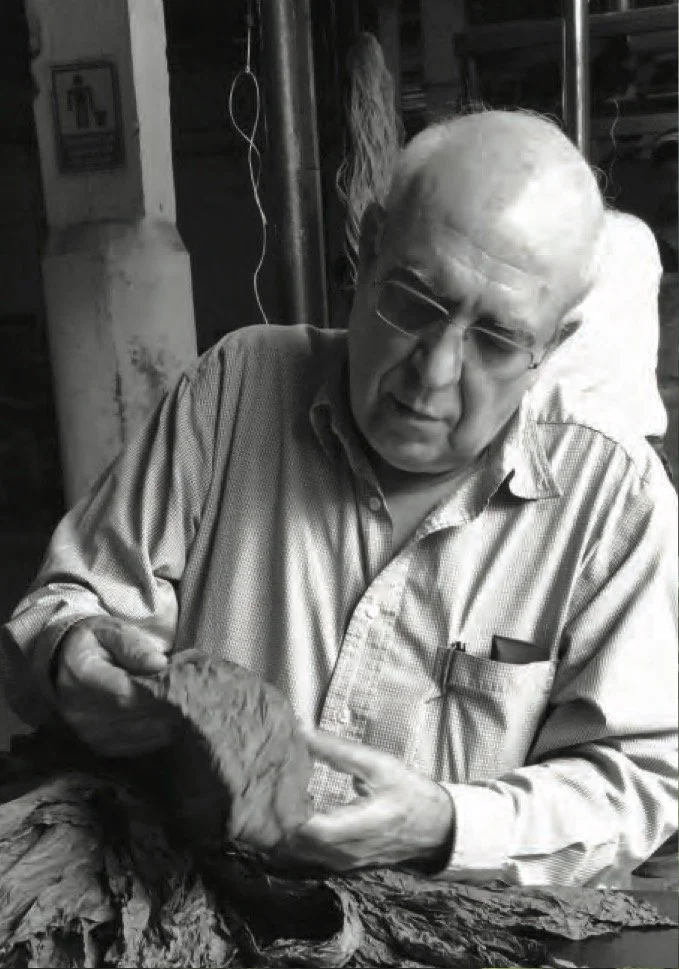
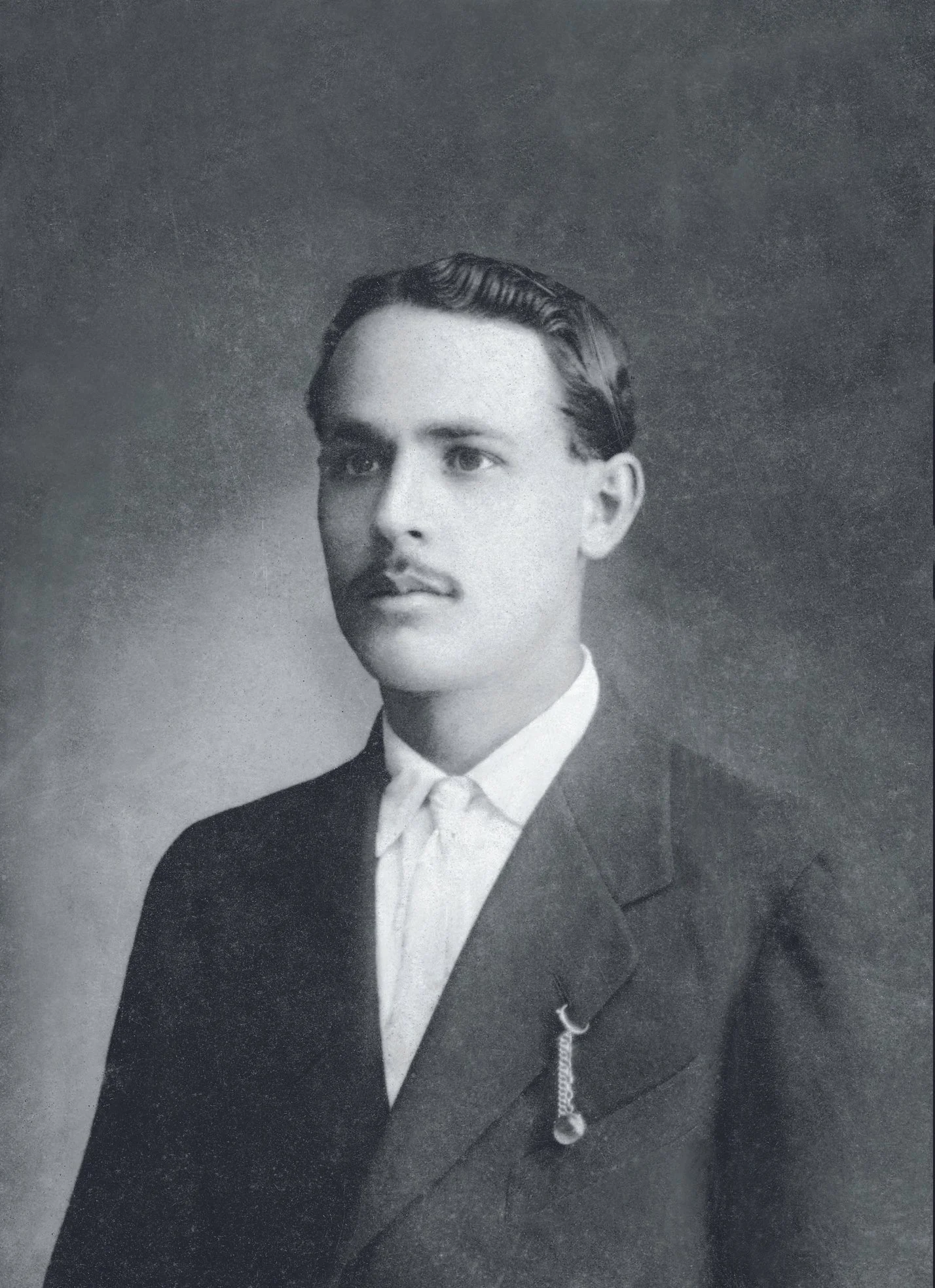
In the 1880s, Alberto Turrent left Spain carrying Cuban tobacco seeds in his luggage and a conviction in his chest. He found what he was looking for in the volcanic soil of the San Andrés Valley, Veracruz — a land so fertile, so particular in its climate and mineral depth, that the leaf it produces cannot be replicated anywhere else on earth.
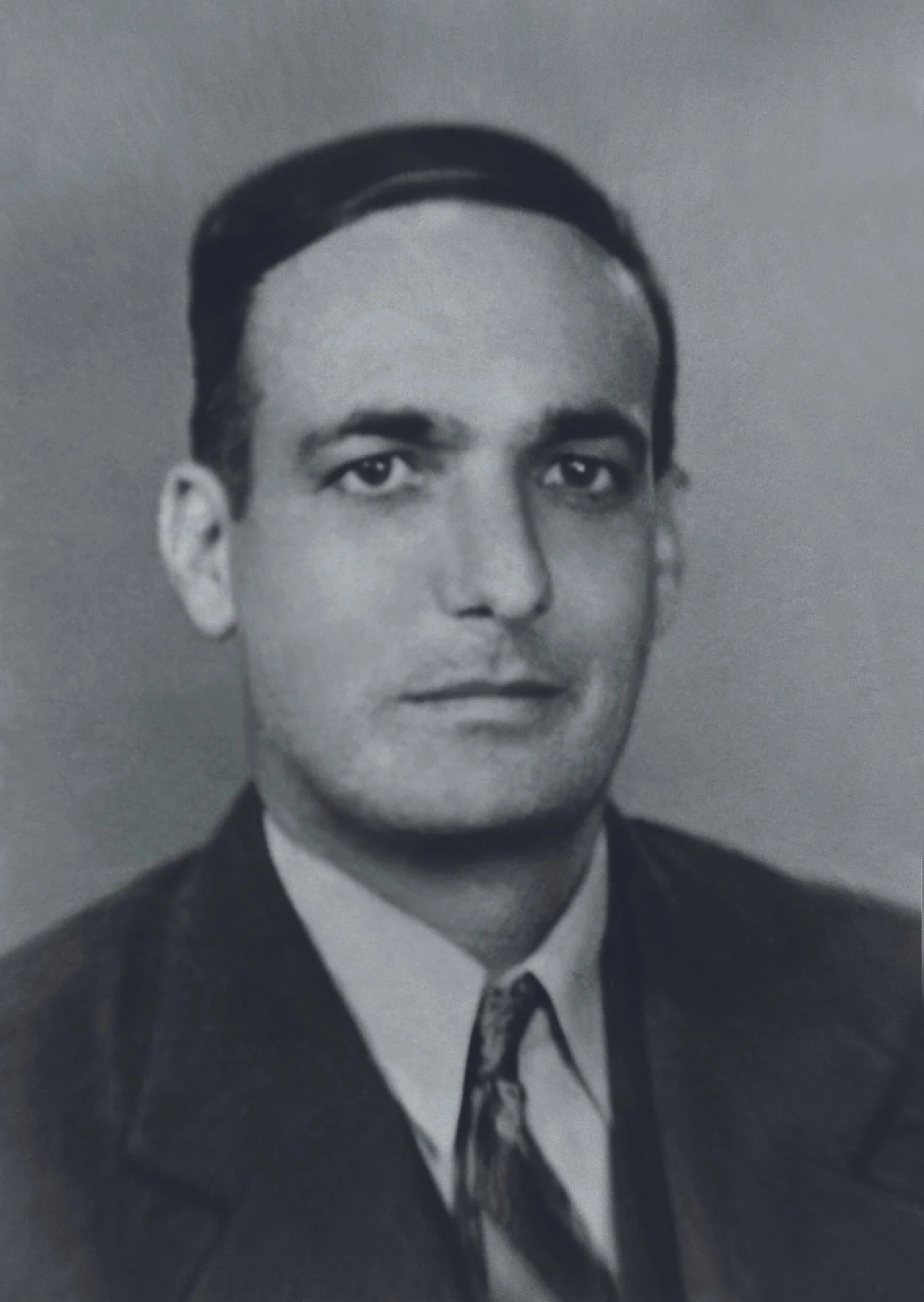
For four generations, the Turrent family grew tobacco for the world to smoke under other names. In 1966, they decided to sign their own work.
Te-Amo was born.
New York was never the same
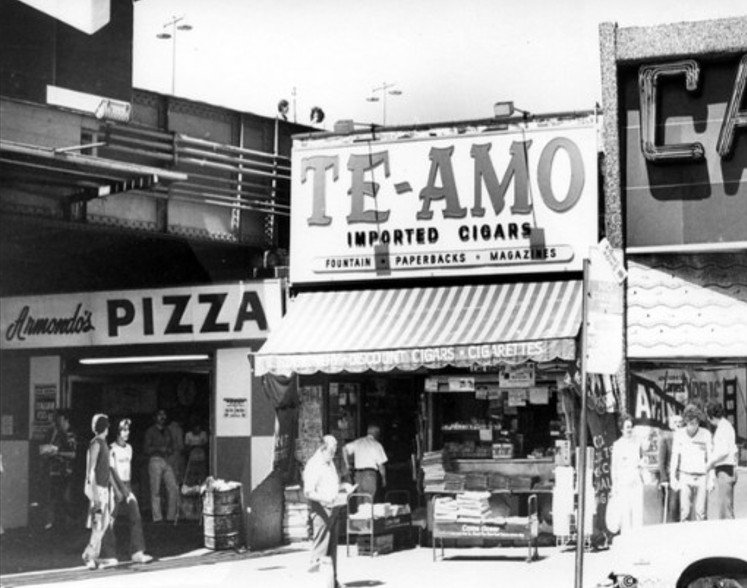
The timing was not accidental. President Kennedy's embargo on Cuban cigars had left a void in the American market — and Te-Amo filled it with something the world had not yet learned to appreciate: the pure, unapologetic character of Mexican tobacco. Within years, the Te-Amo sign became as iconic as the New York skyline itself. Hanging above delis, newsstands, and bodegas from Manhattan to the outer boroughs, it was a fixture of the city's streetscape — as familiar as yellow cabs, as reliable as the corner store. For three decades, Te-Amo was one of the top-selling cigar brands in the United States. In the 1970s, New York knew it simply as the cab driver's cigar — not because it was ordinary, but because it was honest. A cigar that demanded nothing except that you slow down and pay attention.